In the future, selling the same meal to everyone may be seen as an old idea.
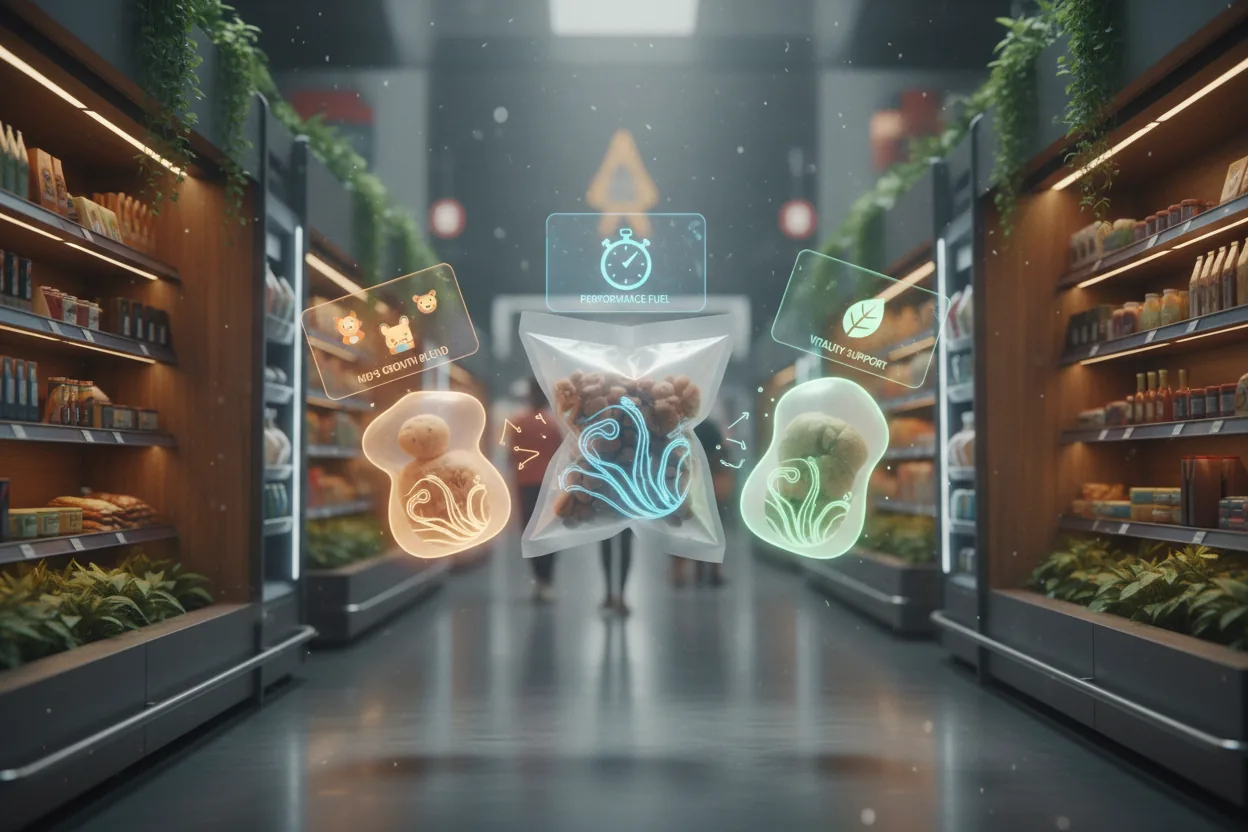
Today, when we walk into a grocery store, we all pass in front of the same shelves.
The 20-year-old, too…
The 45-year-old who works intensely, too…
The 70-year-old individual, too…
The athlete, and the person who works at a desk all day, too…
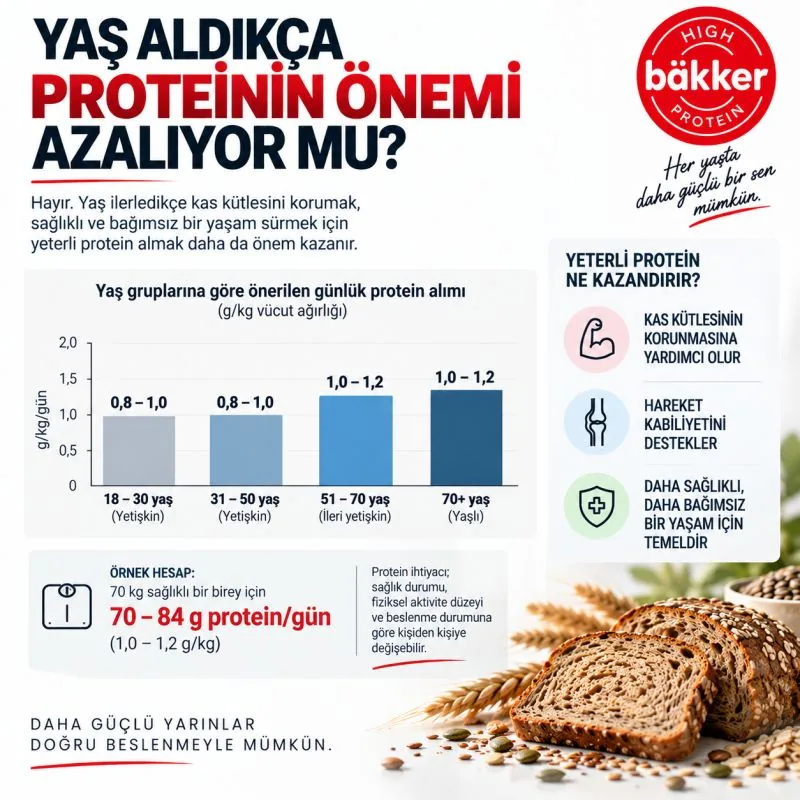
We buy the same bread, the same snack, the same drink. But our bodies are not the same, and our needs are not the same either. I think one of the biggest changes ahead for the world of food will begin here. Food is moving from mass production toward personal need. While a child needs nutrients that support growth, a person who is getting older may give more importance to preserving muscle mass and function.
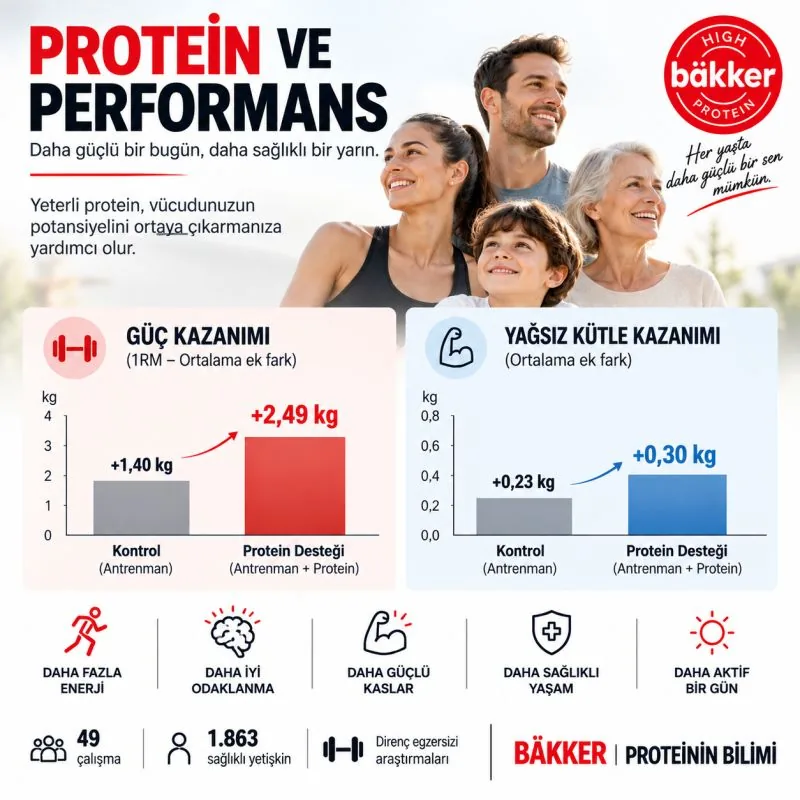
While an athlete thinks about recovery, someone who works at a desk may prioritize satiety and daily nutritional balance. The same calorie does not write the same story in different bodies. In the future, grocery shelves will not only say bread, drink, snack.
Products will be designed for a much clearer purpose. For the growth period, for nutrition that supports muscle preservation in an active life, for nutrition in later life, for an intense pace of life. Because in the future of food, the most important question will no longer be only what is in this product. The real question is: whose need was this product designed for?
For years we tried to fit the person to the food that already existed. Now the time has come to rethink food according to a person's stage of life and need. In my view, the food industry will be the era of those who understand people better, not of those who produce more variety. Because we do not look with the same eye at the body of a 7-year-old child and a 70-year-old person. Perhaps we should no longer look with the same eye at their plates, either.
Foods should be foods that know whom they serve, rather than foods sold to everyone.