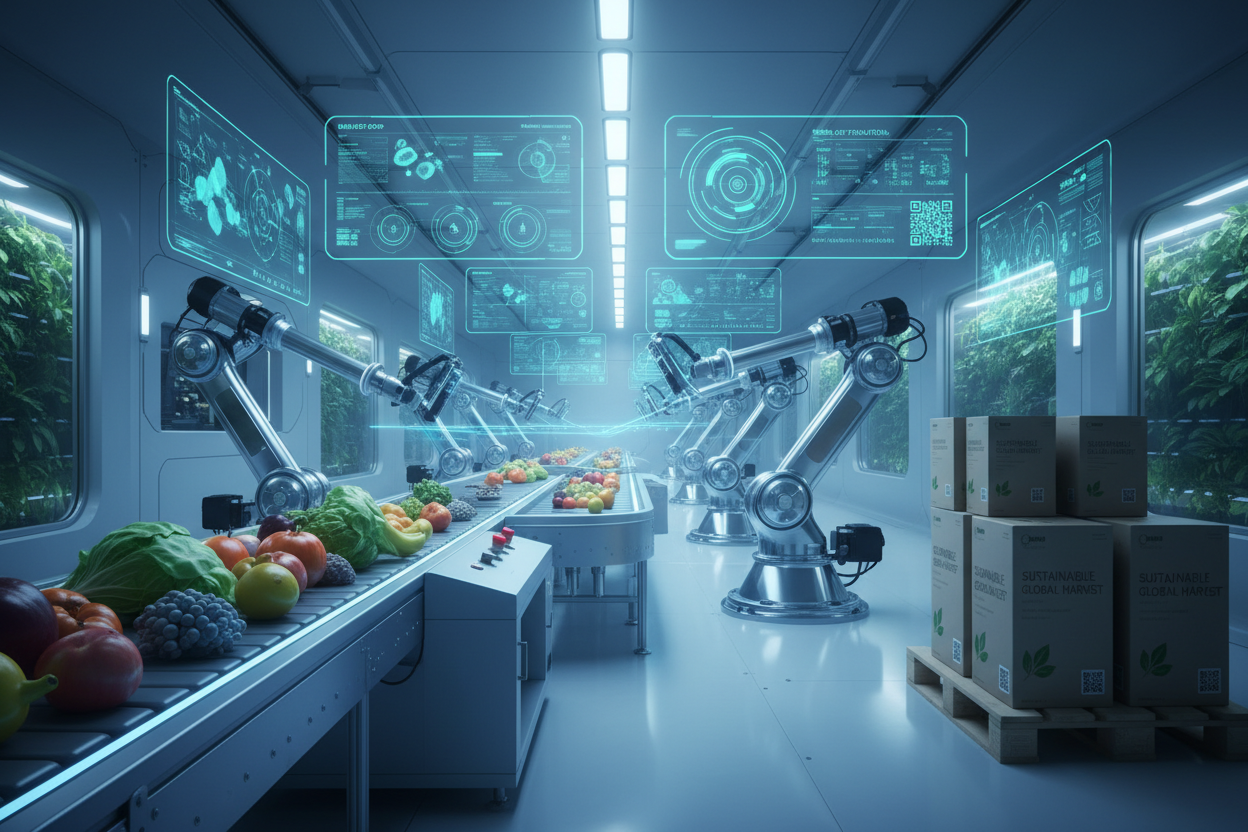
To exist in the future food industry, adapting to change and transformation is not an option, but a necessity.
* Food safety and public health
• Hygiene and quality standards must be fully complied with to prevent foodborne illnesses.
• Contamination risks must be minimized with new analysis and traceability systems.
• Food safety management systems such as HACCP and ISO 22000 must be continuously updated and implemented.
* Adapting to consumer expectations
• The demand for healthy, natural, and functional foods is rapidly increasing. Products suitable for special dietary needs such as vegan, gluten-free, lactose-free, and high-protein must be developed.
• Continuous improvement must be ensured in factors such as the taste, texture, nutritional value, and shelf life of products.
* Increasing competitiveness
• A difference must be made in the market through innovative production techniques and product development efforts.
• Profitability must be increased by reducing costs through efficient production processes.
• R&D and innovation play a critical role in branding and expanding into international markets. Sensitivity must be shown at this point.
* Compliance with legal regulations and standards
• Since food safety and quality regulations are constantly changing, businesses must adapt to current standards.
• Exporting companies must produce in accordance with international regulations such as EU and FDA.
• Product traceability and accurate labeling processes must be fully implemented.
* Efficiency and sustainability
• Environmental impact must be reduced by making improvements in energy, water consumption, and waste management.
• Renewable energy sources must be encouraged, and circular economy models must be implemented.
• Production processes must be optimized and error rates reduced through automation and digital technologies.
* Resilience to crises and global changes
• Flexible production systems must be developed against pandemics, climate change, and supply chain problems.
• Dependence on foreign sources must be reduced by using domestic and alternative raw materials.
• Smart production strategies must be implemented to prevent food waste.
The self-improvement of food production businesses is a critical requirement both for providing healthy and reliable food to consumers and for ensuring the sustainable growth of businesses.